
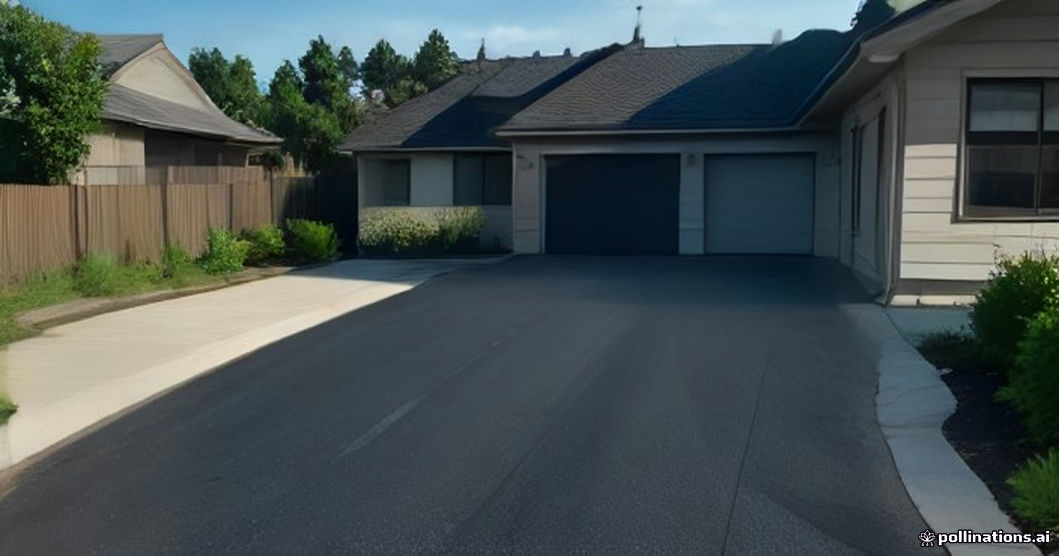
Asphalt is a two-cycle trade, and most paving companies market it like a one-cycle trade. There is the big job: a driveway or parking lot replacement, a planned purchase with a long cycle and a real price tag. Then there is the maintenance cycle: sealcoating every few years, crack filling, the small work that keeps pavement alive between replacements.
Most pavers chase the replacement job and hand the maintenance to whoever shows up with a spray rig. That is backwards. The seal customer of today is the replacement customer of tomorrow, and the company that owns the maintenance cycle owns the relationship.
The two-cycle reframe
Think about the calendar of a driveway. A homeowner replaces it once in a long while, but the pavement needs sealing every few years and crack filling as cracks open. Those small jobs are where a customer learns your name, your crew, and your standard of work.
When you skip the maintenance cycle, you meet the customer cold every time. The homeowner collects three bids and picks one, and the relationship resets to zero. When you hold the cycle, you are the known quantity: you know the pavement's history, and the replacement conversation starts with you.
Cheap sealcoating still matters strategically
Sealcoating is a low ticket. It is also high frequency, and that combination is worth more than the invoice.
Route density is the first reason. Sealing five driveways on the same street in one mobilization costs a fraction of driving out for one. A neighborhood flyer and a door hanger push can fill a route, and a sealed driveway advertises the next one.
Presence is the second reason. A sealing crew on the street keeps your name in front of neighbors who will need full replacements in a few years. You become the company that already works here, so when the pavement finally fails, you become the first call instead of bidding against strangers.
The replacement job is an education sale
A replacement is a considered purchase, and most homeowners cannot tell a sound bid from a dangerous one. That gap is your opening: the company that explains the work wins more of these jobs than the company that only prices them.
The education is mechanical: asphalt is only as durable as the base under it. A proper job means excavating to the right depth, building and compacting a stone base, and laying the surface thick enough for the traffic it will carry. Drainage matters as much as any of it, because water under the pavement softens the ground and breaks the pavement from below.
This is why the lowest bid usually fails early. A crew that skips excavation depth, skimps on stone, or paves over soft spots sells the same black surface for less money. It looks identical on day one. A few winters later the surface cracks and the base shifts, and the homeowner pays for the same driveway twice. Explain that mechanism in plain terms, with photos of your own base work, and the cheap bid stops being a threat.
One fresh driveway sells the street
A new driveway is one of the most visible products in home services. It sits at the front of the house, it looks dramatically better than the cracked pavement next door, and every neighbor sees it for years.
So treat every residential job as a local campaign. Put a yard sign at the curb while the crew works, and leave door hangers on the immediate neighbors with a simple estimate offer. Get permission to photograph the finished drive from the street, so the whole frontage shows.
Neighbor inquiries are the cheapest leads in paving. They arrive pre-sold, they cluster in one service area, and they stack your work into a tight radius, which is exactly what makes the sealcoating route dense.
Commercial lots are a second line
On the commercial side, the customer is a property manager or a retail strip owner, and the sale runs longer. Expect site walks, written proposals, and a decision by committee. Budget for a sales cycle measured in months rather than days.
The mechanics reward patience. A property manager with ten lots is a repeat buyer on a schedule, and striping is the natural add-on that keeps you on the property between resurfacing cycles. Lots get re-striped regularly, and every visit is a chance to inspect the pavement and flag the next seal or overlay.
Commercial work also smooths the calendar: a book of pre-scheduled lot maintenance and striping contracts keeps volume predictable while residential driveways cluster in the warm months.
Work the weather window
Asphalt has physical limits the marketing has to respect. Hot mix has to go down warm and get compacted before it cools, and the ground underneath has to cooperate. Cold air and cold ground shorten the day and close the season, and rain stops a crew outright.
The two cycles help each other. Crack filling and repairs fit the edges of the calendar, in weather that will not support a full tear-out and pave. Sealing shares the warm season, but it needs only a dry day or two, so it fills the gaps between multi-day tear-out mobilizations. And the off-season is selling season. Homeowners plan big projects in winter, and the company that books replacements in January paves them in spring.
Proof assets do the selling
Paving photographs better than almost any trade. The before shot is a cracked, faded driveway, and the after shot is a deep black mat with clean edges. That contrast sells the work on its own. Add one more shot: the stone base before the pave, so the education sale has proof.
Ask for the review at the walkthrough, while the surface is still dark and the customer is standing on it. Prompt for specifics: the base work, the drainage fix, the crew's cleanup. A review that names what you did sells the next replacement better than a generic five stars.
Where to start
If we were building this for a paving client, this is the order:
- Map your past customers. Pull every seal and repair customer from the last few years into one list and start the callbacks.
- Build a sealcoating route offer. Pick two or three neighborhoods, flyer the streets, and stack the jobs into one mobilization per area.
- Write the education page. One page explaining base prep, drainage, and thickness in plain terms, with your own base photos, for every replacement estimate.
- Standardize the jobsite kit. Yard sign at the curb, door hangers for the neighbors, and a photo shot list on every residential job.
- Open a commercial lane. List the property managers and retail strips in your area, walk a couple of lots a week, and lead with striping before resurfacing.
- Sell in the off-season. Run replacement marketing in the cold months and book spring slots while competitors wait.
The bottom line
A paving company that chases only the replacement job rents its customer list one bid at a time. A company that owns the maintenance cycle keeps the customer for the life of the pavement. Seal the driveway, keep your name on the street, and the replacement arrives as a conversation with someone who already knows your work.