
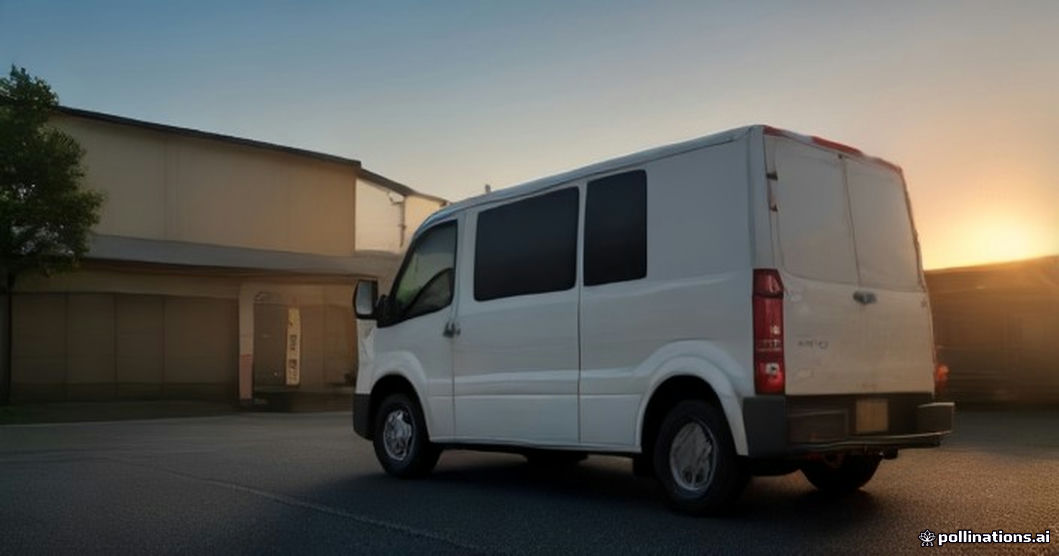
The moment the brand outgrows your truck
When you run one truck, your face, your name, and your phone carry the whole company. Customers ask for you by name. Reviews mention you. Every estimate is yours. That setup works right up until it stops.
Add a second and third crew and the strain shows fast. A tech you hired last month gets asked if he is the owner. A customer sees three different trucks and assumes they saw three companies. Nothing is wrong with your service. What changed is everything the customer sees around it.
Scaling the work is the easy part. Scaling the wrapper around the work takes systems. Here are the six that matter most, in the order they break.
Review requests belong to the system, and each request gets attributed to a crew
On one truck you ask for the review face to face and send the link from your phone. That works because there is one relationship to remember. With three crews, reviews cluster around whoever the customer happens to recall, and you cannot tell which crew is earning them.
Move the request to a central follow-up. When a job closes in your CRM, it triggers a text or email with the review link from a company number. The tech mentions it during the close-out: you will get a text asking for feedback. Nobody begs, and your phone stays out of it.
Then tag every job with a crew ID and count reviews per crew each month. Say one crew finishes twice the jobs and collects half the reviews. The gap lives in the close-out conversation, and you coach that script. Attribution turns review generation from luck into a trainable behavior.
Brand standards across trucks, uniforms, and door hangers
On one truck, consistency was automatic because there was one truck, one shirt, one magnet. Now you have mixed truck ages and techs in their own hoodies. Your door hangers were printed three different ways at three different times.
Write a one-page brand standard and enforce it kindly. Cover the truck wrap layout, the uniform pieces with logo placement, one approved door hanger, and one leave-behind card. Keep it cheap to follow. Standardize the layout and let the truck ages differ. A branded polo over work pants is enough.
Customers judge a multi-crew company by how alike everything looks. The photos on your website should match what shows up in their driveway.
Central intake and booking before you need it
While you were on a roof, calls went to voicemail, and customers called the next company. Growth used to stall at your availability, and it still will if every lead routes to your cell.
Set one intake path before you add crews. Calls go to a CSR or a covered answering service. Web forms and texts land in the same CRM. Booking confirmations and reminders come from the company, so a job booked with crew two feels identical to one booked with you.
Every estimate request lands in one pipeline with a stage and an owner. Block fifteen minutes a day to review the pipeline instead of answering every call yourself.
Fill the crews you have before you hire more
A common sequence is to hire techs first and then scramble for work to feed them. Flip the order. Commit the crews, then turn on demand to fill them.
Track booked hours versus available hours per crew each week. When a crew has open slots next week, that is the moment to push. Raise your local service ad budget for two weeks. Run a direct mail wave in one neighborhood. Post recent jobs on your Google Business Profile, or ask referral partners for introductions.
A half-booked crew costs payroll either way, so filling existing capacity is cheaper demand than hiring ahead of the work. Plan the push before the slow month, not during it.
Delegate the estimate without losing the voice
The estimate is where your brand speaks. Scope, price, and timeline all get explained there. When techs or a sales rep start giving estimates, write the estimate down so it sounds like you on your best day.
Build a one-page template. Plain words for the scope, options laid out as good, better, and best, and the same fonts your brand uses everywhere. Train with ride-alongs: you run five estimates, they run five with you watching, then they run solo while you review the outcomes.
Record close rate and average ticket per estimator. When a review names the estimator instead of you, the system is doing its job.
Keep quality signals consistent in ads and photos
Your ad images and your Google Business Profile gallery used to be photos of you on the job. Now someone else is on the ladder, and the gallery goes stale unless you assign the work.
Give one person per crew a photo duty each week. Shoot before and after pairs, the truck at the curb, and the team in uniform. Photograph the finished work with customer permission on file. Use a short shot list so the photos match: same angles, tidy site, logo visible.
Post recent jobs to your profile weekly with crew names, and keep legacy owner photos in the mix. The signals to protect stay the same: uniforms, clean trucks, neat job sites, real before and after pairs. Those read as quality even when your face is not in the frame.
What to do this week
- Move review requests to a CRM-triggered follow-up and stop sending links from your phone.
- Add a crew ID to every job and start counting reviews per crew monthly.
- Write the one-page brand standard covering the truck wrap, uniform, door hanger, and leave-behind.
- Route calls, forms, and texts through one intake path into one pipeline, and block fifteen minutes a day to review it.
- Add booked versus available hours per crew to your weekly scorecard.
- Pick one demand lever and run it for two weeks before the next hire. A budget bump, a mail wave, or weekly profile posts all count.
- Build the estimate template and schedule the first ride-along with your next estimator.
None of this needs new software. It needs the owner to stop being the single point of failure for every customer touch. At Brand Advertisers we build these systems into the website, CRM, and automation stack from day one. The goal is simple: the third crew should feel the same as the first.