
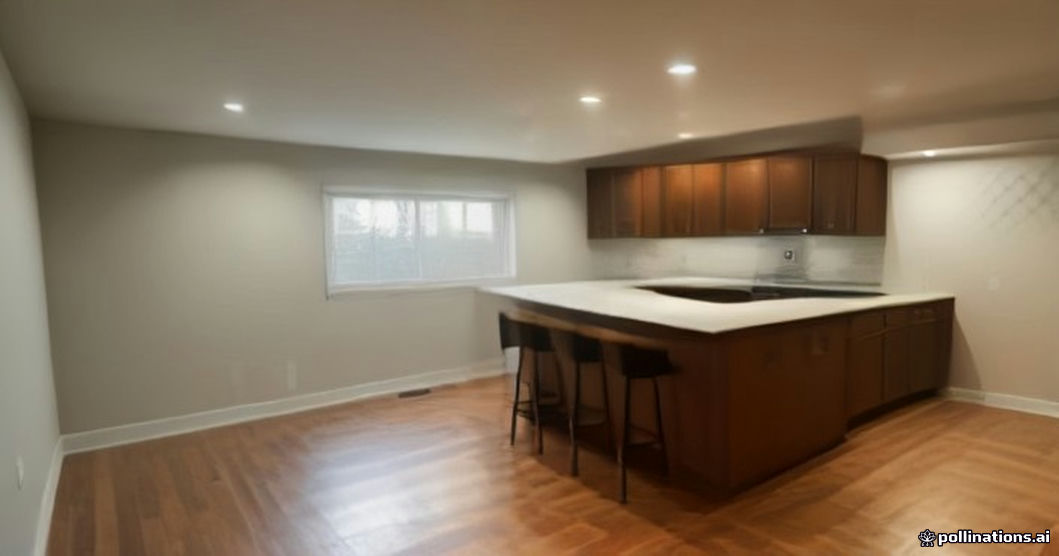
Why basement finishing behaves like a design-build sale
A basement finish sits in an awkward middle ground of home improvement. It costs far more than a paint job and involves design choices far beyond picking a shingle color. Homeowners treat it like a major discretionary purchase, because that is exactly what it is.
Two things do the heavy lifting in this sale. The first is trust, since the owner is inviting your crew into their home for weeks. The second is visualization, because most people cannot picture a bare concrete box as the living space they want. Your marketing system has to carry both jobs, and a generic contractor website carries neither.
The other structural fact is the planning window. Basement projects live in the family budget next to vacations, college savings, and the kitchen remodel that might come first. Plenty of serious buyers are twelve months out from signing anything. A system built only for people ready to book a bid this week walks away from most of the pipeline.
A portfolio that does the selling
For this trade, the portfolio is the salesperson. A page of tiny before-and-after thumbnails does not count. Winning basement contractors present each project like a short case story: wide finished shots, detail shots of trim and built-ins, and the approved render or drawing sitting next to the finished room.
3D renders close the imagination gap
A render turns "we can do that" into something the homeowner can show a spouse at the kitchen table. Contract a designer or use current render tools to build your three most popular layouts: the basic rec room, the living-space build, and the full entertainment build-out. Reuse those render sets across the website, the design consultation, and your follow-up emails. One strong render library keeps paying for years.
Organize the portfolio by budget tier
Group projects as basic finish, living space, and full build-out. A homeowner with a modest budget who only sees luxury basements assumes you are out of reach. A homeowner with a big budget who only sees basic boxes assumes you cannot deliver. Tiered galleries pre-qualify the consultation before you spend an hour driving across town.
Transparent tier framing without public flat pricing
Homeowners want to know whether they can afford you before they pick up the phone. You do not want to publish a flat price, because basement conditions vary too much. The fix is per-square-foot framing tied to three scope tiers.
- Basic finish: framing, drywall, electrical, flooring, and paint. Livable space at the lowest cost per square foot.
- Living space: everything in the basic finish plus a bathroom, a wet bar or kitchenette, and upgraded finishes.
- Full build-out: the works: theater area, custom built-ins, high-end flooring, and dedicated HVAC for the space.
Publish the framework and let the consultation produce the number. State plainly that pricing depends on mechanicals, egress requirements, ceiling height, and moisture conditions. This filters out bargain hunters and reassures serious buyers that you price with real conditions in mind.
Financing framing for the full budget
Even comfortable buyers prefer to spread a project like this over time. State on your tier and portfolio pages that financing is available for the full project, and handle the monthly payment conversation during the consultation. Train your office staff to say it the same way. Many homeowners rule themselves out over a total number that a monthly payment would make routine. Lead with the project, then bring the payment structure in once they have a design in hand.
The inspiration traffic funnel
A large share of basement buyers start on Pinterest and Houzz-style sites, saving photos months before they call anyone. That traffic behaves differently than search traffic, and it is worth capturing on purpose.
Publish saveable inspiration content
Write posts around the ideas people actually save: small basement bar ideas, basement bathroom layouts, low-ceiling basement design, finished basement lighting. Pair every inspiration piece with real constraints, such as ceiling height minimums, egress window rules, and where an existing bathroom rough-in saves money. The constraint content separates you from content farms and pre-frames you as the contractor who tells the truth.
Capture the saver, then nurture
Nobody saves a photo and books a consultation the same day. Offer a downloadable idea book or a render gallery in exchange for an email, then drip the tier framework, a real case story, and your permit explainer over the following months. The goal is to be the company they already know when the budget opens up.
Township-permit reassurance content
Permits and inspections rank near the top of basement buyer anxiety, and most contractor websites ignore the topic entirely. Publish a plain-language page explaining how your company handles the permit process end to end: drawings, township submission, scheduling inspections, and what the homeowner needs to do, which is usually nothing. Cover common local variations such as egress rules, ceiling height minimums, and where the township requires engineered plans. This page serves double duty. It reassures buyers, and it signals to search engines that you handle the full job rather than just the framing.
Nurture the year-out planners
Because the planning cycle runs long, your CRM should treat a basement lead like a pipeline rather than a yes-or-no answer. A homeowner who says "next spring" is a real lead with a dated follow-up. Build a long-cycle sequence with monthly or bimonthly touches: one new project story, one seasonal reminder, and an open invitation to a design consultation that does not expire. Tag every lead with budget tier, target timeframe, and which render gallery they viewed. When their window arrives, you should already know what they want.
What to do this week
- Audit the portfolio. Pull your five best finished basements and check whether the photos show detail and scope. Add the approved render next to each finished shot.
- Write the three tiers. Draft the basic finish, living space, and full build-out definitions, and add per-square-foot framing language with the caveat about site conditions.
- Publish the permit explainer. Write one page covering your township process, the inspections, and what the homeowner does, which is nothing.
- Build one inspiration post. Pick a saveable topic like low-ceiling basement design, pair photos with real constraints, and link it to a render gallery signup.
- Set up the long-cycle tag. Add fields in your CRM for budget tier, target timeframe, and gallery interest, and schedule twelve months of nurture touches for anyone who is not ready now.
- Brief the office. Give your staff the financing framing and the tier definitions so phone and email conversations match the website word for word.
Basement finishing rewards companies that sell the way homeowners actually buy: slowly, visually, and with proof at every step. Build the system around trust and visualization, and the high ticket stops being the obstacle.