
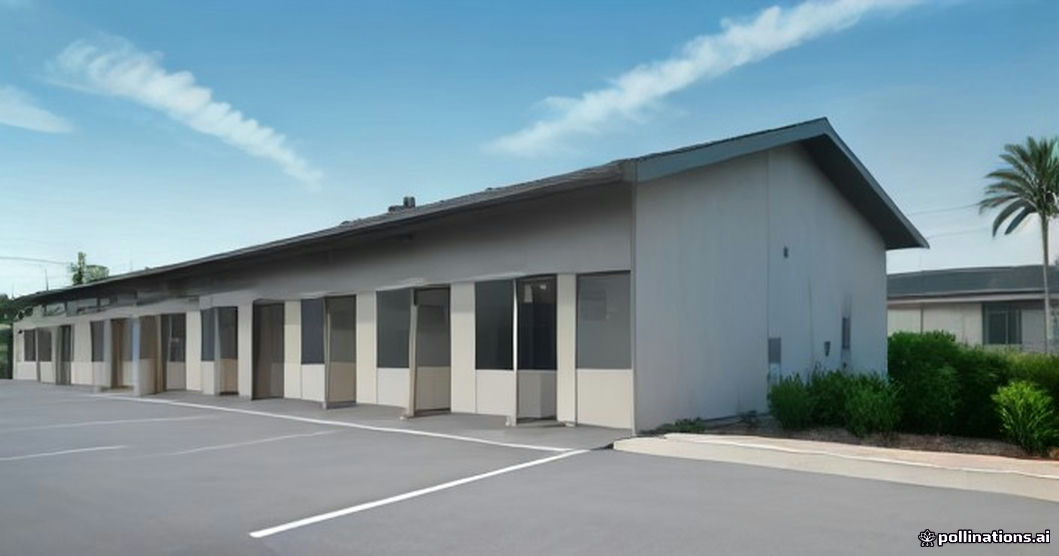
The quiet channel behind the front desk
Every local contractor wants recurring commercial work. Most chase restaurants and offices. The channel sitting in plain sight is the independent hotel and motel market, and it rewards contractors who show up prepared.
A sixty-room motel on a state route generates maintenance work every week of the year. PTAC units die in July, toilets run in every room eventually, hallways need repainting, and locks fail at the worst possible hour. The owner feels every problem directly, because a guest is complaining at the front desk tonight.
Skip the vacation-rental hosts. This article is about independent hotels, roadside motels, small regional chains, and budget-brand franchisees, where commercial contracts run real money.
Why this channel is worth your attention
Four mechanics make hospitality properties unusually good accounts for trades.
Rooms turn over constantly. Every checkout is an inspection. Housekeeping walks every room daily and reports problems fast. A fifty-room property can surface more repair volume in a month than a single home does in years.
Guest-facing problems must be fixed the same day. A running toilet that a homeowner tolerates for a month becomes a same-night problem for a motel owner, because the next guest sees it. Same-day urgency means same-day approvals, and the contractor who answers the phone gets the work.
Properties refresh on cycles. Budget and midscale properties repaint hallways, replace carpet and flooring, swap PTAC units, and restripe lots on rolling schedules. Refresh cycles add project work on top of emergency repairs, and the projects often beat a year of service calls.
Budget properties are sticky. An independent motel runs on thin margins, so the GM hates switching vendors. Once a contractor proves reliable and invoices cleanly, the account stays for years.
Who actually decides
At an independent hotel or motel, the decision maker is the owner or the general manager. There is no corporate office to call, no procurement portal, and no committee. You win or lose the account in one conversation with a person who has the authority to say yes today.
Budget-brand franchisees sit in the middle. The brand sets guest-experience standards and may require approved vendors for life-safety work like fire alarms. The franchisee still picks the everyday trades, because they pay the invoices out of their own P&L. Marketing to the franchisee group beats marketing to the brand.
Small regional chains sometimes centralize purchasing, but the regional manager is still a local person you can meet.
How to sell it
Selling a motel owner is like any commercial sale, with one twist: walk the property first.
- Walk the property before you pitch. Check the PTAC units, the hallway paint, the lot striping, and the restroom fixtures. Note what you see and bring it up in the meeting.
- Meet the GM face to face. Mid-morning on weekdays works best, after checkout rush and before afternoon arrivals.
- Leave a one-page capability sheet. One page, your trades, your insurance, your answer line, and three references from similar properties.
- Attach a rate sheet for common jobs. PTAC swaps, toilet rebuilds, hallway repaints, door locksets, and lot restriping should each have an honest price or a tight range. Owners respond to knowing what things cost before they call.
- Start with one emergency job. The first call usually comes at a bad hour. Answer it fast, fix it right, and invoice it without surprises. That job earns you the vendor panel.
Operations that win the channel
Hospitality owners talk to each other, especially franchisees at the same brand. Operations is your marketing here.
A real 24/7 answer line. A real person answers at any hour, even 11 PM on a Saturday. A guest with no air conditioning at 11 PM is a booking refund in the making. The contractor whose phone gets answered gets the job, and often the whole account.
Response-time commitments in writing. Offer a written window, such as emergency response within two hours and routine work within two business days. Your next pitch to the next property is your record on this one.
Work-order discipline. Every job gets a written work order with the room number, problem, fix, parts, and approved price before you start. Room numbers matter: accounting matches invoices to rooms.
For properties with steady volume, offer a simple standing agreement: a small monthly retainer for priority response, or a rate-sheet relationship with a written response-time commitment. Keep the structure simple enough to explain in one sentence.
Net-30 invoicing without drama. Budget properties run tight cash cycles. Send clean invoices on time, itemized the way their bookkeeper expects, with no surprise line items. Invoicing friction is the most common reason we see owners give for replacing a contractor whose work was fine.
A note on after-hours pricing
Charge for emergency calls, but publish the after-hours rate on your rate sheet. Owners accept premium pricing they knew about in advance, never a surprise number first seen on the invoice.
Where to find the properties
You do not need a purchased list. This channel finds vendors through a few routes.
- Supply-house referrals. Counter staff at plumbing, electrical, and HVAC supply houses hear which properties need reliable contractors. Make it easy for them to refer you.
- Franchisee and brand groups. Budget brands run franchisee associations and online groups. One good mention in those circles produces calls for months.
- Brand-required maintenance lists. Some brands maintain preferred or required vendor lists for specific trades. Ask franchisees how to get listed, then do the paperwork.
- Property-management companies. Firms that manage several small hotels at once are gatekeepers. One relationship can equal five or ten properties.
How to measure the channel
Track four numbers per property and you will know whether the channel is healthy.
Contracts per property. Count active agreements or standing rate-sheet relationships. Growth here is your pipeline for everything else.
Response-time compliance. Of your promised response windows, what share did you hit? Many owners we work with hold themselves above ninety percent, and the documented response record is a big reason properties renew.
Revenue per property per month. Watch the trend line, not single months. Emergency-only accounts plateau; accounts with refresh cycles grow.
Churn when a property sells. Motels change hands, and new owners bring new vendors. Log every sale so a revenue dip never surprises you, and ask the outgoing owner to introduce you to the buyer.
Run this this week
Pick one task and finish it before Friday.
- List every independent hotel and motel within a thirty-minute drive of your shop, and note the brand, room count, and owner name for each.
- Walk two properties as a guest and write down the maintenance work you can see in the parking lot, hallways, and lobby.
- Build your one-page capability sheet with trades, insurance, answer line, and three references, ready to print.
- Write your rate sheet for the ten most common jobs: PTAC swaps, toilet rebuilds, hallway repaints, locksets, and restriping among them.
- Test your own after-hours line by calling it at 9 PM from a number the office does not recognize.
- Visit your supply-house counter and tell them you take hospitality work and answer nights and weekends.
- Ask one franchisee how their brand's vendor list works and what it takes to get on it.
- Identify one property-management company that handles several small hotels and book a fifteen-minute intro meeting.
In this channel, a well-handled first emergency call beats any amount of cold outreach, so treat answering speed as your top marketing priority.