
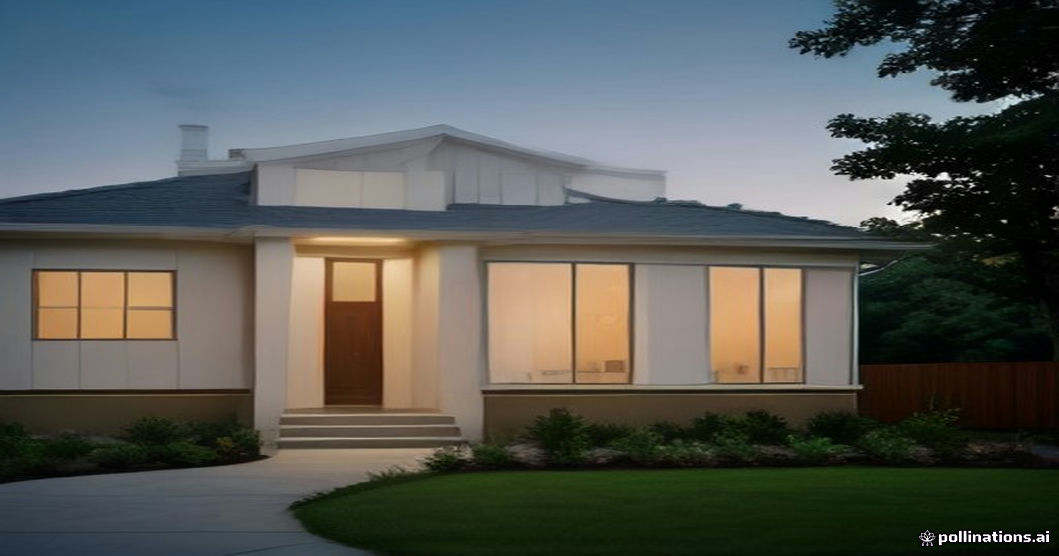
Window replacement sits in an interesting spot in home services. The ticket is large enough that nearly every buyer compares quotes. The trigger is personal enough that people move in weeks rather than months. And the product is invisible enough that the sale runs on trust and clarity. Get those three right and the rest of the playbook writes itself. Here is the system we build for window companies and the logic behind it.
Start with the two triggers that open the search
Nobody wakes up wanting windows. They wake up cold. The comfort trigger is the strongest one. It shows up as a draft you can feel standing in the kitchen, or a room the family avoids all winter. The second trigger is the energy bill. When a utility bill lands far above expectations, windows become the visible suspect. Glass is the part of the house they can watch failing.
Spec-sheet marketing misses both triggers, and copy built around the felt problem lands. Ad copy about rooms that stay warm speaks to the felt problem. So does the angle of stopping the waste of paying to heat the street. Fogged glass, windows that fight back when opened, and street noise support the same message. They confirm what the homeowner already suspects about the house.
Multi-quote shopping is the default behavior
Expect most window buyers to collect two to four quotes before they sign, and plan your marketing for it. Your prospect will compare your bid against two others. Those quotes will use different formats, product lines, and line items. Confusion is the real competitor in this category.
Window buyers also research more than most home service shoppers. They read about glass packages and manufacturer lines for weeks before they call anyone. That research phase is where the multi-quote habit forms. The homeowner who learns the vocabulary first feels qualified to judge every bid.
Two consequences follow. The company that educates first shapes the spec. A homeowner who reads your page on how window quotes work will hold every later quote up against your explanation. Second, be early in the sequence. The first serious conversation often sets the budget ceiling for everything after it. A clear booking path gets you there without discounting.
Quote complexity kills deals, so design it out
A whole-home window quote stacks up fast. Per-window prices, glass packages, grids, frame colors, installation details, trim work, and disposal all pile onto one sheet. Buyers stall when they cannot tell what the difference between two quotes really is. Many stall for months. Some pick the cheapest-looking quote just to end the confusion. You fix this with structure.
Good-better-best tiers
Package your line into three named tiers with a one-page comparison. Classic, comfort, and premium work fine if they fit your brand. Each tier gets a fixed per-window price band and a plain-language spec summary. Name the cost drivers on the same page: window count, sizes, installation conditions, and tier choice. Sales conversations shift from defending a number to helping a buyer pick a lane. The tier sheet also gives buyers permission to land in the middle, which is where most of them want to be.
A visualizer tool on your website
Window visualizers let a homeowner upload a photo of their own house. They can try frame colors and grid patterns on their own facade. That engages serious shoppers, who arrive at the measure appointment already sold on a look. It also filters out tire-kickers who were never going to buy. Keep a gallery of real completed homes next to the tool, so the fantasy connects to proof.
Financing carries the sale, so frame it honestly
Full-house window jobs run from several thousand dollars well into five figures. Most households cannot write that check outright, so monthly payment math carries most window sales. Build the payment conversation into your sales process, with one rule: honesty compounds and gimmicks backfire.
The rule is simple. The monthly number never appears without the total and the term. A low payment anchored alone feels great until contract review. Then the total surfaces and trust evaporates. Give payment context early and keep the conversation on the outcome. Let your financing partner handle the mechanics of applications and approvals. Homeowners expect the financing question on a project this size, and they remember whether it was handled straight.
Install day is unusually photogenic, so use it
A window job changes a room in hours. The light changes, the drafts stop, and the before-and-after difference shows up in a single photo pair. Few trades deliver that kind of immediate visual payoff. That is why install day deserves a real slot in this playbook.
Capture the finished rooms while the crew is still on site. The install itself produces the photo set and triggers the review ask while the homeowner walks the new rooms. Whether the review actually lands depends on the homeowner. Either way, those photos feed the gallery sitting next to your visualizer, which ties the whole system together.
Measure cost per in-home demo, not cost per lead
Window leads are easy to buy and nearly meaningless on their own. The sale happens at the kitchen table during the measure-and-quote appointment. So manage your marketing to cost per held in-home demo. That is what you spend to get an appointment that actually happens.
Set up source tracking so every demo carries its origin. Record which ad, page, and keyword produced it. Then watch two ratios. Cost per held demo tells you whether a channel produces serious buyers. Demo-to-signed rate tells you whether your tiers hold up once you are in the house.
The two ratios read differently. A channel with cheap leads and weak demos is a money pit. A channel with expensive demos and a strong close rate is often your best spend. Do the arithmetic against your own numbers. A held demo at a few hundred dollars with a one-in-three close rate puts cost per signed job near a thousand. Your average ticket shows what each marketing dollar returns.
How to put this to work
- Rework your ad copy around the two triggers: comfort in the rooms they live in, and the bill that keeps climbing. Retire spec-led copy.
- Build three good-better-best tiers with fixed per-window price bands and a one-page comparison. Name the cost drivers on the same page.
- Add a visualizer and a finished-home gallery, so shoppers commit to a look before the appointment.
- Publish a plain explanation of how window quotes get built, line by line, so the comparison runs on your terms.
- Train the payment conversation to the honesty rule: every monthly figure ships with the total and the term.
- Capture finished-room photos while the crew is on site, and time the review ask to the final walk-through.
- Tag every demo with its source in the CRM and report weekly on cost per held demo and demo-to-signed rate.
Window replacement rewards companies that reduce confusion at every step. Clear triggers open the door. Tiers and visualizers structure the quote. Honest financing carries the close. Install day feeds the proof engine. Cost per held demo tells you where the next dollar goes. Each link makes the next one cheaper to run.