
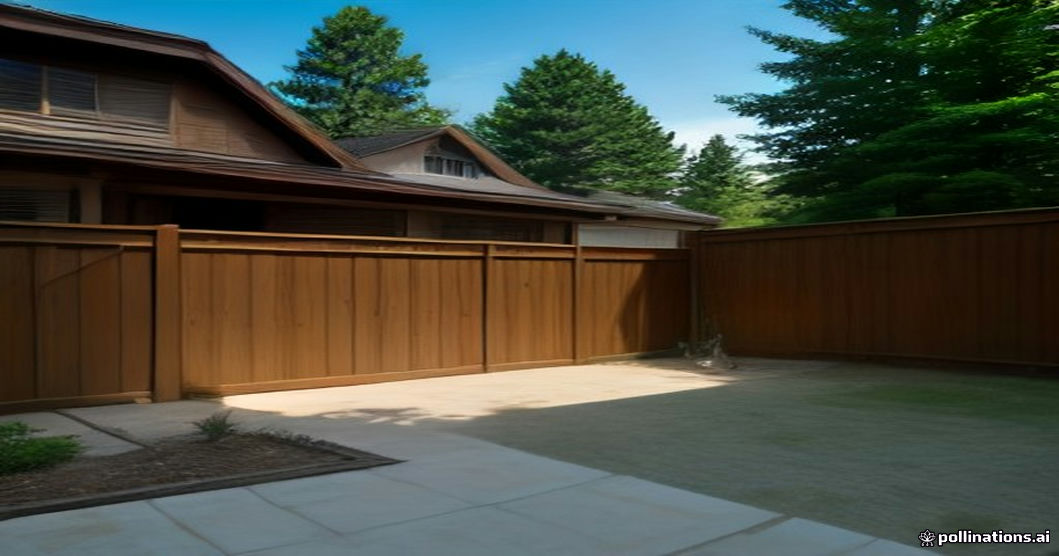
The Demand Triggers Behind Deck and Fence Projects
Homeowners rarely wake up wanting a deck contractor. They wake up with a problem, and the deck or fence is the fix. Attach your marketing to the problem.
- Storm damage. Wind and falling limbs wreck decks, rails, and fence runs. These buyers move fast and need documentation for insurance.
- Privacy wants. A new two-story neighbor, a busy road, or a bare backyard corner. These buyers start from sightlines, not a budget.
- Kids and pets. A toddler who can open the gate or a dog that keeps escaping. Safety buyers care about height, latches, and gaps more than style.
- Aging deck safety. Wobbling rails, soft boards, and corroded connectors. These buyers worry about someone falling through.
- Home-sale prep. Realtors tell sellers a tired fence or rickety deck hurts showings. These jobs carry a deadline tied to a listing date.
- New pool or hot tub. Codes commonly require barriers around pools, which pulls fence work into the same project.
Write one landing page or post per trigger. A parent searching for a pool safety fence and a seller prepping a listing use different words and different urgency.
Sell to the Calendar, Not Against It
Deck and fence demand swings hard by season, and each season has its own job type.
Spring booking rush
Deck demand peaks in spring, and the strong shops are booked by early April. Push deck content and booking calls in late winter so the calendar fills before the rush.
Fall fence installs
Fence work often holds into fall while decks slow down. Fall suits privacy and pet fence installs, and cooler weather helps with digging and setting posts. Market fence projects late summer into fall to keep crews busy as deck bookings thin.
Winter design-build consults
Winter is when serious deck buyers plan. Design consults, material selections, and permits can happen in the cold months, so spring becomes pure construction. Winter consults turn your backlog into signed contracts.
Education Content That Sells the Build
Buyers compare materials for weeks before calling anyone. Content that answers comparison questions honestly gets found, saved, and shared.
Materials, explained in plain terms
Write a real composite vs wood vs PVC comparison covering the trade-offs homeowners feel: upfront price, maintenance chores, fading, and heat in direct sun. Give railing options the same treatment, from wood to aluminum and cable systems, because railing drives much of the visual result.
Gate hardware and the details buyers miss
Gate latches, hinges, and post hardware are where cheap fences fall apart. A short guide on gate hardware shows buyers what to look for and marks you as the shop that sweats details.
Permits and utility locates, in plain language
Homeowners fear the permit process. Explain who pulls the permit, how long it takes, and that utility locates protect the crew and the yard. A plain walkthrough removes a common reason buyers delay.
Property-line etiquette
Many fence buyers worry about neighbor conflict. Explain how setbacks, surveys, and a quick chat prevent most problems. If the neighborhood has an HOA, confirm its approval requirements before the crew sets the first post.
The Photo Proof System
Deck and fence work is visual, and buyers judge crews by photos long before a call.
- Progress shots. Framing, footing pours, and rail setting show real construction skill. Post a few from every job.
- Detail shots. Close-ups of post bases, hardware, and joinery. These separate a craftsman from a hammer swinger.
- Finished lifestyle shots. The deck staged with furniture, the fence framing a kid and a dog. Homeowners buy the life the build supports.
Organize the gallery by project type and material, and tag each set with the neighborhood name. Buyers trust work from nearby streets.
Neighborhood Radius Marketing
Fence jobs run in rows. One finished backyard faces six more, and those neighbors watch your crew work for days.
Keep a professional sign in the yard for the full project, and offer neighbors a quote while your equipment is there. Your mobilization cost for the neighbor is near zero, so a modest discount beats most lead sources. Mail the ten closest homes after completion with photos.
Decks work the same way at a slower pace. One happy owner talks to their neighbors for years.
Partner Channels That Feed the Schedule
- Landscapers. They finish a yard and constantly hear requests for a fence or deck to enjoy it. Set a standing referral arrangement and return the favor.
- Pool companies. Every pool install triggers a barrier requirement and a deck conversation. Get on their short list before the dig.
- Concrete crews. Patios and pool decks pair naturally with deck extensions. Coordinate so one project follows the other.
- Roofers after storms. Roofers meet homeowners first after storm events. A mutual referral agreement puts you in the room for deck and fence damage claims.
- Realtors. Listing prep and new buyers both generate deck and fence work. Offer fast quotes so deals stay on schedule.
Reviews That Name the Material and the Timeline
Generic five-star praise does little for a buyer comparing quotes. Coach happy customers toward reviews that name the material, the neighborhood, and the timeline: a cedar privacy fence in a named neighborhood, done in four days, crew cleaned up. Those details match what the next buyer searches. Send the review ask the day of the final walkthrough, while the reveal feeling is fresh.
Financing for Larger Builds
A full deck replacement or a long fence run is a high-ticket project, often several thousand dollars and sometimes well beyond. Many homeowners can handle a monthly payment but hesitate at one large number. Offer financing with a soft-credit prequalification on your site, and show payment ranges next to project pricing. Buyers who see a workable payment stop postponing the project.
Measure Cost Per Booked Build
Track two numbers above all else. First, cost per booked build: total marketing spend divided by signed construction contracts. Leads and clicks are upstream noise. Second, design-consult to contract rate, the share of consultations that become signed work. If that rate is weak, fix the consult, the pricing presentation, or the follow-up before buying more traffic.
Review both monthly and by season. A channel that looks expensive in spring may pay for itself through winter consults.
Actionable Steps to Start This Quarter
- Build one landing page per demand trigger: storm damage, privacy, kids and pets, aging deck, home-sale prep, and new pool installs.
- Load your spring deck calendar by pushing booking calls in late winter, and keep fall open for fence installs.
- Publish plain-language guides on composite vs wood vs PVC, railing options, gate hardware, and how permits and utility locates work.
- Create a photo checklist requiring progress shots, hardware close-ups, and finished lifestyle shots on every job.
- Start a neighbor radius routine: yard sign for the full project, a ten-home mail drop after completion, and a neighbor quote offer.
- Formalize referral arrangements with two pool companies, one landscaper, one realtor, and a storm-season roofer contact.
- Add a soft-credit financing prequalification to your site and show payment ranges next to pricing.
- Rewrite your review request so it asks customers to name the material, the timeline, and the neighborhood.
- Report cost per booked build and design-consult to contract rate monthly, split by season.