
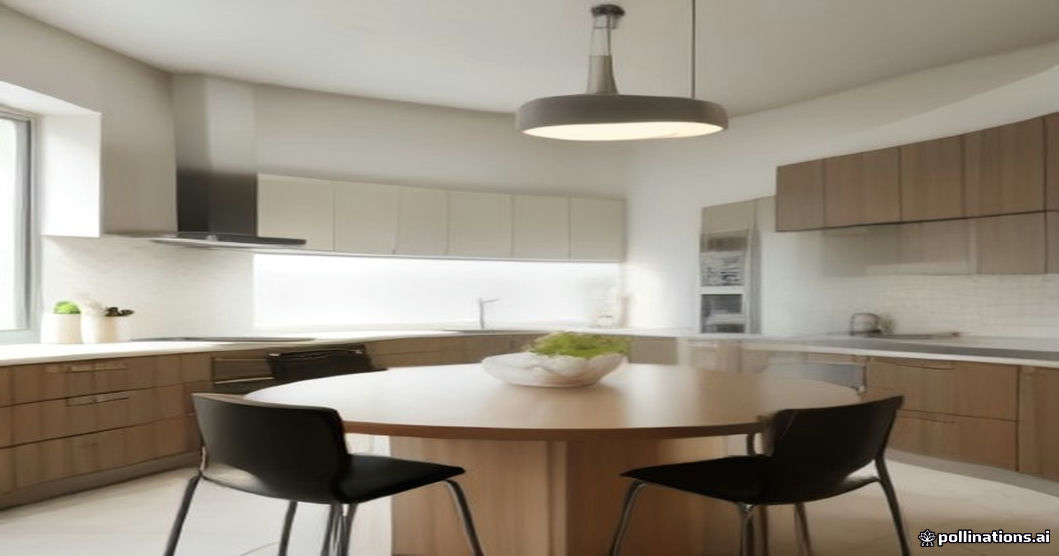
The kitchen and bath buyer runs a long, private cycle
A homeowner typically spends months, often more than a year, between first imagining a kitchen remodel and signing a design agreement. They save, compare firms on review sites, screenshot photos, and price cabinets online late at night. Nobody at your company sees most of that work happening.
That long private cycle shapes every marketing decision for a design-build firm. Your website, your showroom, and your follow-up system all have to serve someone who is months away from writing a check. The firm that shows up consistently during those quiet months wins the project.
The showroom is your strongest conversion device
A remodel is a tactile purchase. Homeowners fear picking finishes from a screen and hating them in person. A showroom removes that fear faster than any photo gallery, because touching a cabinet door answers questions a hundred images cannot.
Run the showroom like a sales tool
- Treat visits as scheduled design appointments, and book them through your website with a dedicated form.
- Build display boards in good-better-best tiers, with the installed price difference between tiers written on the board itself.
- Pair every sample with a finished-job photo of that exact material, so visitors see the installed result.
- Put a financing card at the consultation desk, where payment questions actually come up.
- Staff it with someone who can talk scope and budget, since a clerk loses high-ticket buyers quickly.
The goal of the visit is a signed design agreement, and the whole room should point there. Measure it like one: track how many showroom appointments convert to a paid design phase. Adjust the room and the script until that number climbs.
The design-consultation deposit qualifies buyers
Free estimates teach homeowners to collect five bids and reward the lowest number. A design-build firm works differently. You sell a design phase. That phase should have a price, typically a few hundred dollars, credited toward the build when they move forward.
The deposit does three jobs at once. It filters out people gathering free ideas, it signals that your designer's time has value, and it commits the serious buyer to the process. Prospects who pay a deposit arrive at the first meeting prepared, with budgets and decision-making spouses in the room.
Publish the policy on your website. When the deposit is stated before the call, it pre-frames the relationship and saves your team from awkward conversations.
Portfolio proof that matches the buying decision
Kitchen buyers do not want to see your best project ever. They want to see projects like theirs: a similar layout, a similar budget band, and a house in a neighborhood that looks familiar. Proof that matches closes; proof that impresses merely gets saved to a Pinterest board.
Build the portfolio around comparison
- Create a page per project, titled with the service and the neighborhood, so each one can rank locally.
- Shoot before photos on day one, progress shots weekly, and close-ups of cabinet joinery, tile lines, and fixtures.
- Record short walk-through videos of finished spaces, since video carries scale and finish quality better than stills.
- Label each project with scope and budget band, so visitors can self-select into the right tier.
Cabinet lead times are trust content
Cabinets drive the schedule in most kitchen projects. Ordering windows often run from several weeks to a few months depending on the manufacturer, and the whole job waits on delivery. Homeowners know this, vaguely, and it is their biggest source of anxiety about any remodel.
Most competitors dodge timeline questions. Publishing yours turns that anxiety into an asset. A page titled how our timeline works, covering design weeks, ordering, production, and install, answers that anxiety directly. It also tells buyers you have done this enough times to know the answer.
Lead-time transparency also supports the deposit. When a buyer understands that design and ordering start the clock, paying to start the design feels like progress toward a finished kitchen.
Financing partner integration
For many households, the real barrier is cash timing. They want the project but plan to save for another year. A financing partner, with monthly payment ranges shown next to project pricing, lets them evaluate the payment instead of the total.
Add a soft-credit prequalification tool to your website so visitors can check options without a hard pull or a phone call. Display the same financing card in the showroom and in every proposal. When the payment fits, the saving phase of the cycle shortens on its own.
Nurturing the undecided across six to twelve months
A meaningful share of your inquiries will sign with someone, eventually. The question is who still has their attention at month nine. Nurture sequences in a CRM keep you present without pestering, and the content should match where each prospect sits.
Segment the nurture by stage
- Dreamers get design inspiration and finished-project stories on a monthly cadence.
- Savers get budgeting guidance, financing content, and payment-range examples.
- Comparers get process detail, lead-time updates, and testimonials from recent clients.
Trigger messages matter more than broadcasts. When the cabinet lead time you quoted a prospect shifts, send the update. When a project like theirs finishes, send the photos. Personal triggers beat a newsletter every time.
Seasonal timing helps too. Many homeowners plan a kitchen in the fall so construction lands after the holidays. Match your outreach to that planning rhythm, and keep the CRM running year-round.
How to put this to work
- Audit your website for a dedicated showroom booking form, and add one if it is missing.
- Write the design-consultation deposit policy, publish it, and credit it toward the build.
- Reorganize the portfolio into per-project pages with scope, budget band, and location labels.
- Publish a cabinet ordering and production timeline page with real lead-time ranges.
- Integrate a financing partner, with prequalification on the site and payment ranges in proposals.
- Shoot before photos on every active job starting this week.
- Build three nurture tracks in your CRM: dreamers, savers, and comparers.
- Set a lead-time-change trigger message for every quoted prospect.
- Review cost per signed design agreement monthly, since that is the metric the whole system serves.