
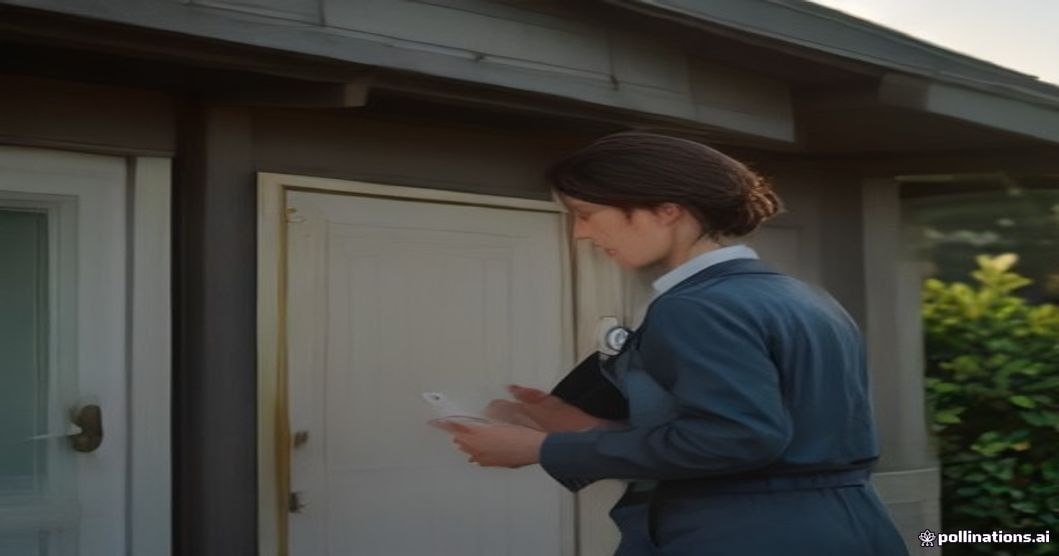
The vacancy window is the whole market
From late fall through early spring, whole Sunbelt neighborhoods empty out. Upper Midwest and Northeast lake homes sit dark from October to May. Seasonal residents leave behind an asset they cannot see, cannot check, and cannot protect with a webcam alone. That anxiety is your marketing opportunity.
Home-watch is the professional answer: scheduled interior and exterior checks, storm response, seasonal open/close services, and photo-documented reports sent to a phone in another state. Some operators run it standalone; HVAC, plumbing, roofing, and pool companies also add vacant-home checks to fill slow months.
The niche rewards operators who treat it as a trust system, not a checklist gig. A homeowner handing you a garage code and house keys is making a bigger leap of faith than watching you clean gutters.
Reach owners before departure, not after
Seasonal residents run a predictable calendar. In snowbird markets, they think about leaving in September and October. Northern lake and cabin owners close up in late fall and reopen in late spring. Timing your outreach to those windows matters more than almost any creative decision.
Where the pre-departure audience lives
- HOA newsletters and community boards. Many seasonal neighborhoods have associations that reach every owner with one email. Ask about sponsored content or a vendor directory listing. Boards vet you once, then endorse you to hundreds of owners at once.
- Real estate agents and property managers. Agents who sell in seasonal communities hear the same worry from every second-home buyer. Property managers often decline home-watch work for liability reasons, making them referral partners rather than competitors.
- Local groups and snowbird clubs. Seasonal residents organize. Facebook groups, email lists, and winter-resident clubs are where owners ask each other for "someone to check the house." Show up there with useful answers, not ads.
- Search at the moment of worry. Queries like "home watch service near me" spike before departure seasons.
Match the message to the moment
Before departure, owners fear what they forgot: the water line left on, the thermostat set wrong, the storm due after they fly out. Lead with the departure checklist. After they leave, the fear flips to silence: "No news means nothing happened, or nobody checked." Lead with proof: every visit documented, every report on time.
Property managers and HOAs are gatekeepers, not obstacles
A single property-management company or HOA manager can hand you dozens of homes. They care about insurance, responsiveness, and not getting calls from angry owners. Bring them a packet: certificate of insurance, background-check policy, photo report samples, and a named contact who answers.
Vendor rules vary by association and by state, so confirm access procedures with each community. Approved-vendor status in one community is worth more than a month of general advertising.
Service packaging that sells the system
Do not sell "checks." Sell packages that map to how owners actually think about their home.
- Open and close. Seasonal opening and winterizing or closing: water systems, HVAC settings, appliances, window and door inspection, pest screening. These are scheduled, high-value visits that anchor the relationship.
- Scheduled watch plan. Weekly or biweekly interior and exterior checks with a consistent inspector and a fixed visit calendar. Predictability is the product.
- Storm response. Before-and-after storm visits with photo documentation. This is the package owners forward to friends, because it proves the service's value in one email.
- Photo reports. Every package ends in a report: timestamped photos of key checkpoints, a note on anything unusual, and confirmation the property is secure. The report is not overhead. It is your referral engine.
Price packages flat and publish starting prices. Opaque pricing reads as risk, not premium.
Trust mechanics: how a stranger earns the keys
Everything in your presence either builds or burns trust with a remote owner:
- Named people, real faces. The person marketing the service should be the person holding the keys. Staff bios with photos and background-check statements matter here more than in any other trade.
- Proof of process. Publish a sample photo report (with a client's permission) and a sample checklist. Owners want to see what happens on a visit before they commit.
- Insurance and bonding, stated plainly. Say what you carry, in plain language, on the page where you ask for the sale.
- Boundaries in writing. Define what you do and do not do: check, document, escalate. Do not move belongings or improvise repairs beyond an agreed emergency scope. Clear limits read as professionalism.
- A real local footprint. A physical address, a local phone number, and consistent reviews signal you will still exist in March. In snowbird-heavy markets, this is table stakes.
Remote-owner communication systems
Seasonal owners are your most reachable audience all year: they are bored in airports and on condo balconies. Build the loop on purpose:
- Automated visit confirmations. Every scheduled visit triggers a confirmation with the inspector's name. Missed visits destroy trust in this niche, and automated confirmations with an escalation alert when a visit goes unlogged are how you make them rare.
- Report delivery by email and text. Send reports to both the owner and any designated family member. Adult children of aging snowbirds are often the real skeptics; a report they can open is a referral they will make.
- Seasonal email cadence. Departure checklist before they leave, mid-season updates, storm alerts, a spring reopening offer. It keeps you present during months you are not billing.
- A client portal or shared drive. Store reports, key-hold agreements, and emergency contacts in one place. Owners love pulling "proof the house is fine" the night before they fly home.
Off-season reactivation and referrals
The same owners who winter in Arizona summer in Minnesota. Your off-season is when they decide whether to renew, upgrade, or refer. Run a reactivation sequence sixty days before their expected return: a summary of the season's visits, anything that needs attention now, and next year's open/close booking window.
Referrals are the growth engine in this niche because owners talk. Forwardable photo reports, referral incentives framed as service credits, and a simple "introduce us to your neighbors before you leave" ask all compound. One happy owner in a seasonal community is worth a dozen cold leads.
Run this week
- Build a dedicated home-watch or vacant-home service page with named staff, insurance statement, sample checklist, and flat starting prices.
- Time a pre-departure campaign to the local season: HOA newsletter placement, snowbird club outreach, and a search-optimized page live at least six weeks before the exodus.
- Create packages: open/close, scheduled watch, storm response, and photo reports on every visit.
- Assemble a gatekeeper packet for HOAs and property managers: insurance, background checks, sample report, and a named contact.
- Set up the communication loop: automated confirmations, report delivery to owner plus family, and a seasonal email cadence wired into your CRM.
- Sixty days before owners return, launch reactivation with the season summary and next year's booking window.
The system view
Snowbird home-watch marketing is a calendar business wrapped in a trust business. Win the calendar, and you get recurring revenue that fills the slow months most trades complain about. Win the trust, and one seasonal neighborhood becomes a self-feeding referral machine. We architect sales engines, not brochures: the engine here is pre-departure timing, gatekeeper endorsements, packaged proof, and a communication loop that keeps owners certain their house is fine.